Need TV Repair Services in Nairobi?
Certified technicians dispatched to you — same day.

Why the Television Screen Is Usually the Most Vulnerable Part to Breakage
When a television stops working, the screen is almost always the first suspect — and for good reason. Of every component packed inside a modern TV, the screen is the one most likely to crack, shatter, or fail outright. Understanding why comes down to how these panels are built, how they're used, and how little force it actually takes to damage them.
A Thin, Fragile Sandwich of Layers
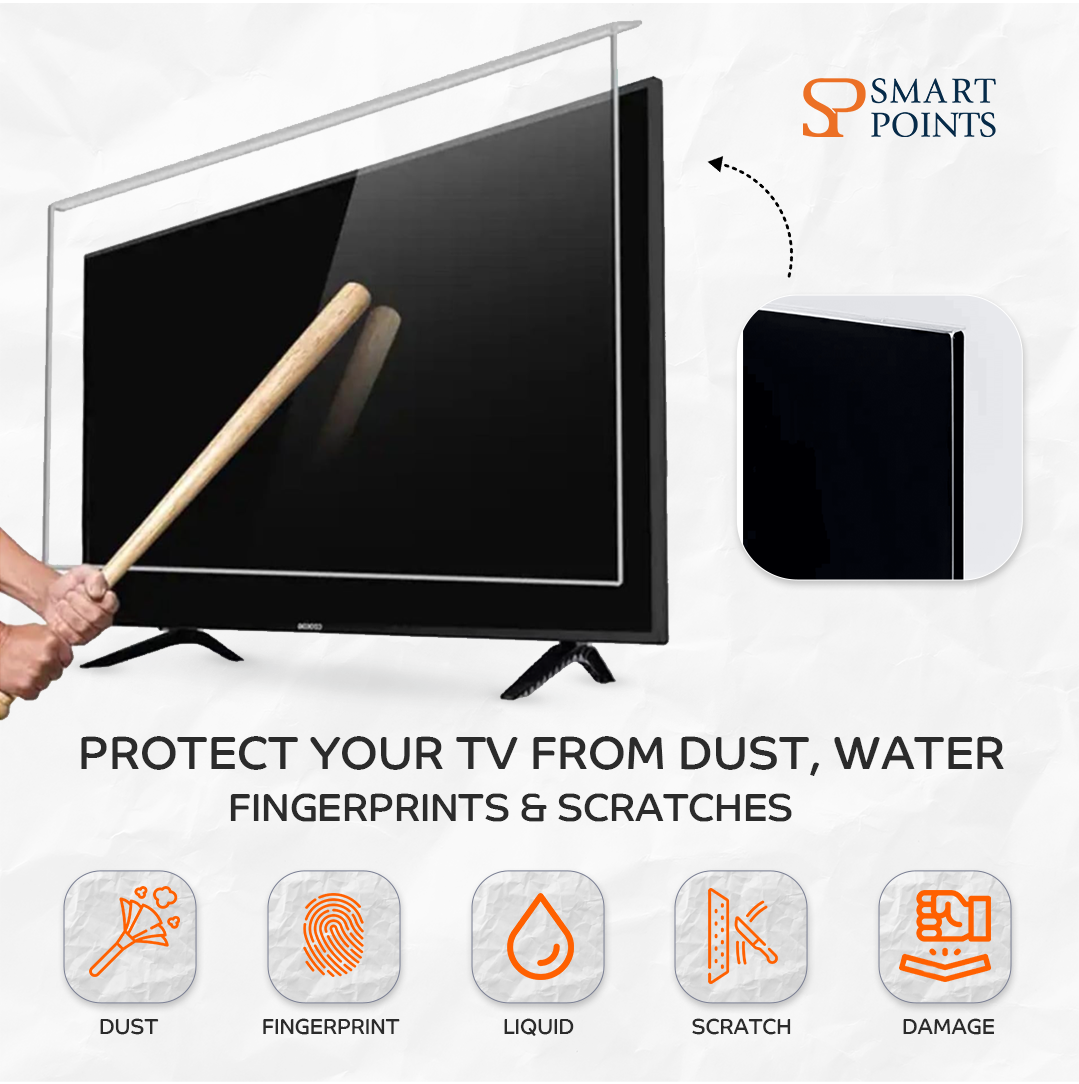
Modern LED, LCD, and OLED televisions are built around a panel that is remarkably thin considering how much technology it holds. Beneath the glass or plastic front, there are multiple delicate layers: a polarizing film, a layer of liquid crystals or organic diodes, a backlight (in LCD/LED models), and a matrix of circuitry so fine it's invisible to the naked eye. Unlike the plastic casing or the speaker grille, none of these layers are designed to absorb impact. They're designed to display an image as sharply and thinly as possible, which means strength was never the priority in their engineering.
Even a small crack in the outer glass can compromise the layers beneath it, causing spidering lines, dark patches, or complete pixel failure — because damage doesn't stay isolated to where the impact occurred; it spreads through the panel's internal structure.
Size Works Against Strength
As screens have gotten larger and bezels thinner, the surface area vulnerable to pressure and impact has grown while the physical reinforcement around the edges has shrunk. A 24-inch television from a decade ago had a thick plastic frame absorbing shock. Today's slim 55-inch and 65-inch panels have almost none of that protective buffer, so a bump that would once have been harmless can now flex the panel enough to fracture it internally.
Common Causes of Screen Damage
Most screen failures don't come from dramatic accidents — they come from everyday handling:
- Transport and moving — screens flexing or receiving pressure while being carried, especially without the original packaging.
- Wall mounting mistakes — uneven brackets or over-tightened screws putting stress on one point of the panel.
- Impact from objects — remote controls, toys, or furniture making contact with the screen.
- Pressure from cleaning — pressing too hard with a cloth, particularly on LCD panels where liquid crystals can be permanently displaced.
- Pets and children — accidental knocks that seem minor but concentrate force on a small area of glass.
Why Other Components Hold Up Better
The casing, remote sensor, HDMI ports, and internal circuit boards are comparatively rugged. They're made from harder plastics and metals designed to withstand daily use, minor drops, and general wear. The screen, by contrast, has no such margin for error — it's simultaneously the most technologically complex part of the television and the one with the least physical protection.
The Cost Factor
This vulnerability has a financial consequence too. A damaged screen is often the single most expensive part to replace, sometimes costing close to the price of a new television. This is why many repair technicians will first confirm whether a fault lies in the screen itself or in a more affordable component like the power board or backlight driver before recommending a repair.
Protecting Your Screen
A few simple habits go a long way: use the original packaging when moving a TV, have wall mounts installed by someone experienced with the specific bracket and screen weight, keep small children's toys and pets away from the display, and clean the screen only with a soft, dry microfiber cloth using minimal pressure.
Understanding why the screen is the most breakage-prone part of a television helps put its care in perspective — and makes it easier to know when a fault is a simple fix versus a sign it's time to call in a professional for a proper diagnosis.